

DISCLOSURE: We often review or link to products and services we believe you might find helpful. This resource page contains affiliate links, which means if you click a link and make a purchase, we may receive a small commission at no extra cost to you. This helps us keep MoneyParents.com running and continue providing free financial education content for families.

The Book You Wish Your Parents Had Read (and Your Children Will Be Glad That You Did) by Philippa Perry is an essential resource for any parent committed to raising emotionally intelligent, financially responsible children. While it doesn’t focus specifically on money lessons, this bestselling guide teaches the communication skills and emotional awareness that make financial literacy conversations actually stick. Perry helps you understand how your own upbringing shapes your parenting—and your money attitudes—so you can break unhelpful patterns and model healthier behaviors. Parents who’ve read this book report feeling more equipped to handle difficult conversations, including those about spending, saving, and family values around money.

Mind Maps for Kids: The Shortcut to Success at School gives children a visual learning tool that works brilliantly for mastering money concepts. This workbook teaches young learners to organize complex information through colorful diagrams—perfect for visualizing budgets, tracking savings goals, or understanding how interest works. Kids who learn mind mapping retain financial lessons better and develop the structured thinking skills needed for smart money management throughout life. Beyond financial literacy, this technique improves memory, focus, and study skills across all subjects, making it a worthwhile investment in your child’s overall academic success.
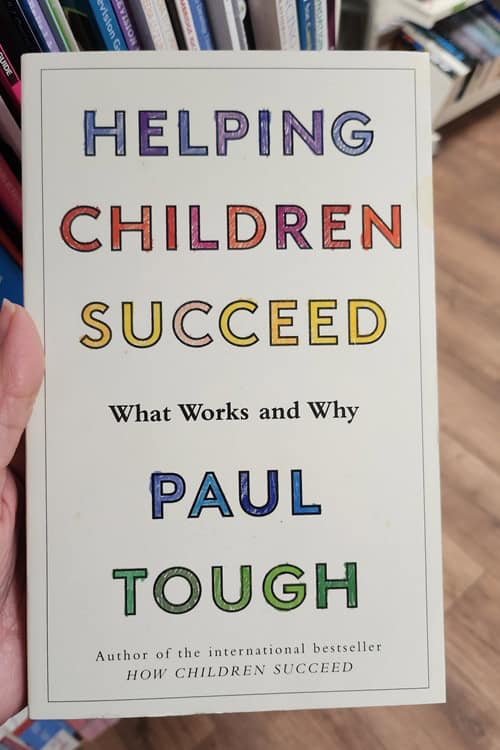
Helping Children Succeed: What Works and Why by Paul Tough explores the crucial non-cognitive skills—like perseverance, self-control, and resilience—that determine whether children thrive academically and financially. Tough draws on groundbreaking research to show that teaching kids to delay gratification, handle setbacks, and stay focused on long-term goals matters more than IQ for future success. These are precisely the character strengths needed for sound money management: resisting impulse purchases, saving for distant goals, and bouncing back from financial mistakes. Parents who understand Tough’s insights can create home environments that build these essential skills naturally through everyday interactions. This resource transforms how you think about preparing your child for both academic achievement and lifelong financial responsibility.
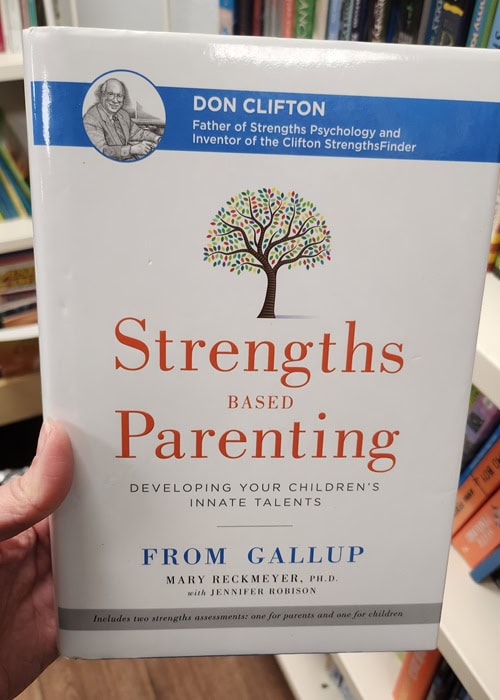
Strengths Based Parenting: Developing Your Children’s Innate Talents by Mary Reckmeyer helps parents identify and nurture their child’s natural abilities rather than fixating on weaknesses. This approach is particularly powerful for teaching financial literacy because kids learn money skills faster when lessons align with their innate strengths—analytical children might love budgeting spreadsheets, while creative kids engage better through entrepreneurial projects or designing savings goals. Reckmeyer provides practical tools to discover what makes your child tick, then shows how to leverage those talents in everyday learning. When you tailor financial conversations to your child’s unique strengths, money lessons feel motivating rather than tedious, building both competence and confidence that last a lifetime.
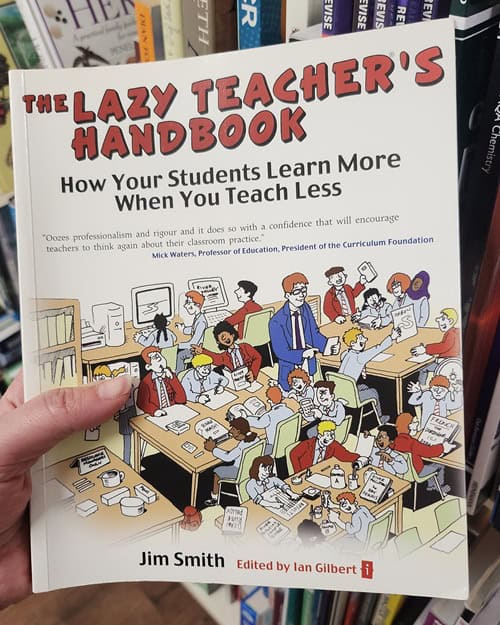
The Lazy Teacher’s Handbook: How Your Students Learn More When You Teach Less by Jim Smith reveals a counterintuitive truth that applies perfectly to teaching kids about money: children learn best through doing, not listening. Smith’s approach encourages educators to step back and let kids experiment, make mistakes, and discover solutions independently—exactly what financial literacy requires. Instead of lecturing about budgeting, give your child a set amount for school supplies and let them navigate the trade-offs. Rather than controlling their allowance spending, create opportunities for them to experience natural consequences. This book helps educators resist the urge to over-explain and instead design hands-on money experiences where children build genuine understanding through trial, error, and discovery.
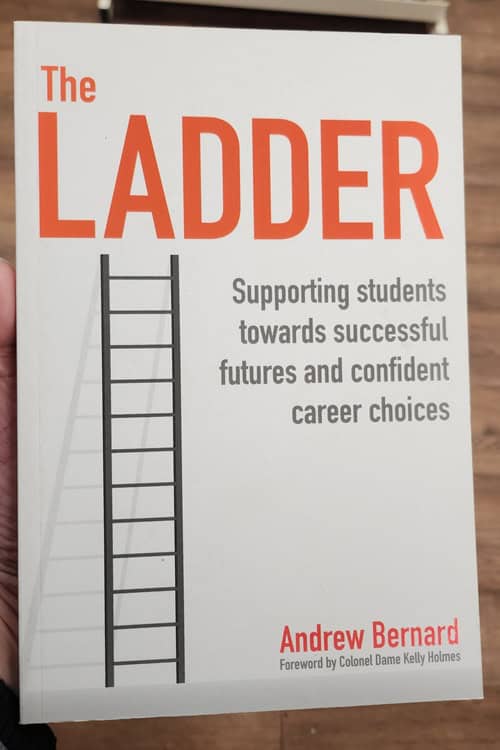
The Ladder: Supporting Students Towards Successful Futures and Confident Career Choices equips parents to guide children through understanding career pathways and making informed decisions about their professional futures. This practical resource is essential for financial literacy because career choices directly determine earning potential, job satisfaction, and long-term financial security. The book helps you introduce age-appropriate conversations about different professions, education costs versus income potential, and aligning career goals with personal values and strengths. When children understand how education investments translate into career opportunities and financial outcomes, they make smarter decisions about school, skill development, and future planning. This forward-thinking approach ensures your kids connect today’s financial lessons with tomorrow’s real-world earning and spending realities.
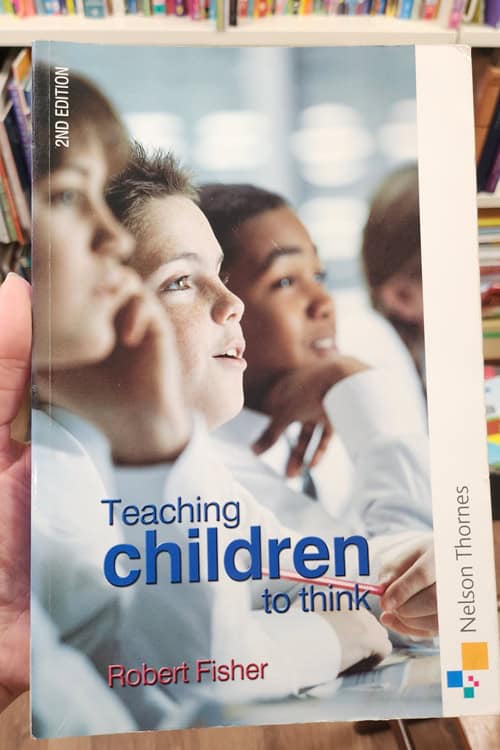
Teaching Children to Think by Robert Fisher provides practical strategies for developing critical thinking skills that are fundamental to smart money management. Fisher shows parents how to encourage questioning, reasoning, and problem-solving through everyday conversations—skills children need to evaluate advertising claims, compare prices, assess needs versus wants, and make thoughtful financial decisions. Rather than simply telling kids what to do with money, this approach teaches them how to think through financial choices independently by weighing options, considering consequences, and learning from outcomes. When children develop strong reasoning abilities, they become naturally better at resisting impulse purchases, planning for goals, and understanding why financial principles matter. This book transforms passive rule-followers into confident, independent thinkers who can navigate complex money decisions throughout life.

How to Succeed as a Working Parent by Steve Chalke offers down-to-earth, practical wisdom for raising confident, responsible children in today’s complex world. Chalke addresses the fundamental parenting principles—setting boundaries, building trust, communicating values, and letting kids learn from mistakes—that create the foundation for teaching financial literacy effectively. When parents establish clear expectations and consistent follow-through in everyday life, those same skills translate directly to managing allowances, earning privileges, and handling money responsibly. This accessible guide helps you navigate common parenting challenges with humor and honesty, while modeling the integrity and decision-making skills your children need to develop healthy money habits. It’s a comprehensive resource for parents who want to raise not just well-behaved kids, but capable, financially savvy adults.
