
Problem Based Learning (PBL) is about more than solving puzzles—it’s about solving them together. In PBL, children collaborate to tackle real-world challenges, learn to communicate, share ideas, and make decisions as a team. When applied to money skills, PBL helps kids not only understand dollars and cents, but also how to negotiate, compromise, and plan with others. This article explores how you can use everyday situations to teach your kids valuable money lessons using kids’ friendly problem based learning examples.

Understanding Problem Based Learning for Financial Education
Problem-Based Learning (PBL) is a student-centered educational strategy that involves learners in real-world problem-solving, making it an ideal method for teaching financial concepts.
The Core Principles of Problem Based Learning
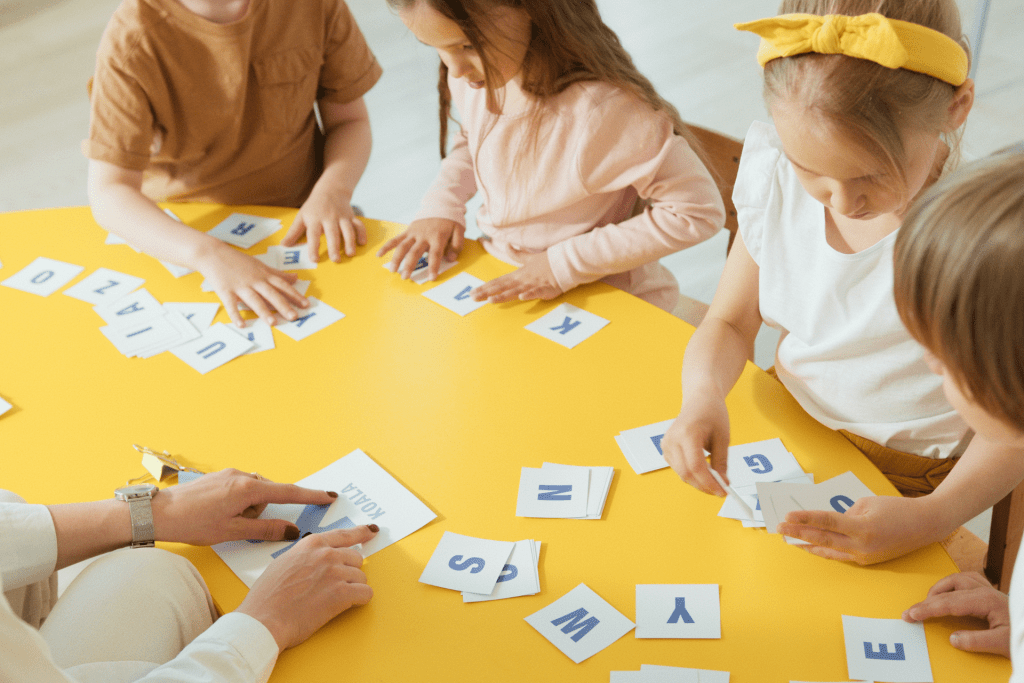
PBL is built around several core principles, including learner-centered instruction, collaborative learning, and authentic assessment. Collaborative learning means children work together to solve problems—sharing ideas, dividing tasks, and learning to negotiate decisions as a team. By focusing on these principles, PBL encourages students to develop skills that are crucial for their financial literacy.
Why Financial Literacy Needs Hands-On Approaches
Financial literacy is not just about understanding financial concepts; it’s about applying them in real-life situations. Hands-on approaches like PBL help learners develop practical skills, such as budgeting and saving, by engaging them in real-world financial scenarios.
How PBL Develops Critical Thinking About Money

PBL activities are designed to foster critical thinking by presenting learners with complex, open-ended financial problems. By navigating these challenges, students develop a deeper understanding of financial concepts and learn to make informed decisions about money.
| PBL Activity | Financial Skill Developed |
| Budgeting Project | Managing Expenses |
| Saving Challenge | Delayed Gratification |
By incorporating PBL into financial education, parents and educators can provide learners with the critical thinking skills and practical experience needed to navigate the complexities of personal finance.
Essential Financial Concepts to Teach Through Problem-Based Learning
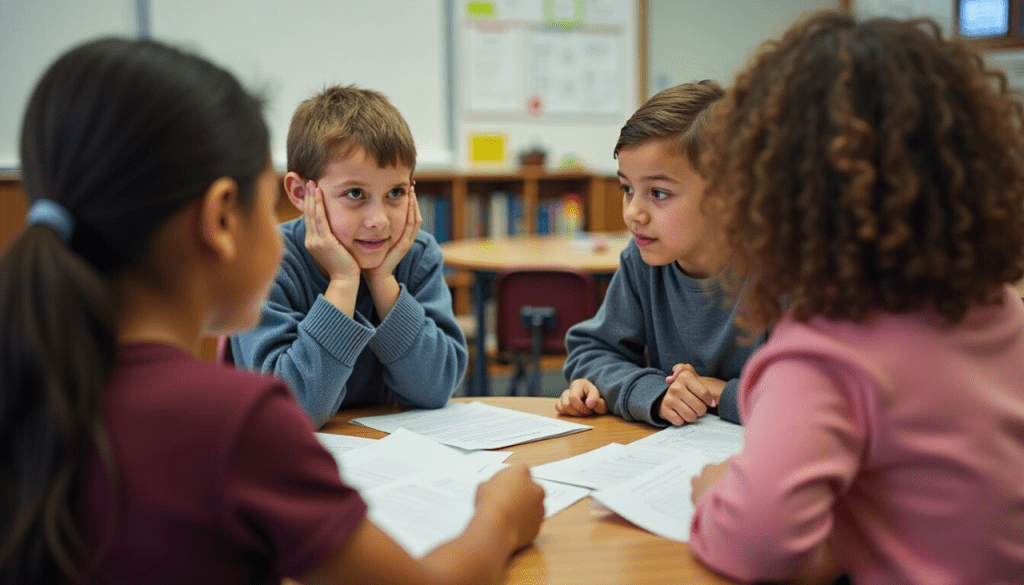
Financial literacy is a vital life skill that can be taught to children through engaging methods like PBL. By incorporating real-world scenarios, you can help your kids develop a deeper understanding of financial concepts.
Saving, Spending, and Sharing Fundamentals
Teaching kids the basics of saving, spending, and sharing is crucial for their financial literacy. You can create a simple exercise where they allocate a hypothetical income into these three categories, helping them understand the importance of budgeting.
Understanding Wants vs. Needs
Distinguishing between wants and needs is a fundamental financial concept. You can use real-life examples to illustrate how prioritizing needs over wants can lead to better financial decisions.
Building Delayed Gratification Skills
Teaching kids to delay gratification can help them make smarter financial choices. By setting savings goals, they can learn to wait for something they want, rather than spending impulsively.
Introducing Basic Investment Concepts
Introducing basic investment concepts, such as compound interest, can help kids understand how money can grow over time. You can use simple examples or games to illustrate these concepts.
Practical Problem-Based Learning Examples for Preschoolers and Kindergartners

Introducing financial literacy to preschoolers and kindergartners can be a fun and engaging experience with the right problem-based learning (PBL) activities. These young learners can benefit greatly from interactive and hands-on experiences that introduce basic financial concepts.
The Coin Sorting and Counting Game
This activity involves sorting different coins and counting their values. It’s an excellent way to introduce young children to the concept of money and basic math skills. If you have more than one child, turn coin sorting into a teamwork game—one child identifies coins while another records values, showing how working together makes problem-solving fun.
Grocery Store Math Adventures with Siblings
Turn grocery shopping into a team mission. Give your kids a fixed budget and let them work together to plan the shopping list. One child can focus on comparing prices, another on finding healthy choices, and another on keeping track of the total cost. As they discuss trade-offs—“Do we buy apples or bananas this week?”—they learn to compromise, justify decisions, and stay within budget. You’re still guiding them, but the problem-solving happens as a group effort, just like in real-world PBL.
Piggy Bank Saving Challenge

Encourage your child to save coins in a piggy bank. This activity teaches the importance of saving and delayed gratification.
Setting Simple Goals
Help your child set achievable savings goals, such as saving for a toy or treat. This teaches them to prioritize and work towards a goal.
Celebrating Milestones
Celebrate when your child reaches their savings milestones. This positive reinforcement encourages continued saving habits.
By incorporating these PBL activities into your child’s daily routine, you can help them develop a strong foundation for financial literacy and a healthy relationship with money.
Engaging Problem-Based Learning Examples for Elementary School Children
Video by Learning Life
Elementary school children are at an ideal age to learn about financial literacy through hands-on projects and real-world applications. At this stage, they can engage in more complex financial activities that help develop essential life skills. By participating in Problem Based Learning examples, children can gain practical experience in managing money, making financial decisions, and understanding the consequences of their choices.
Family Restaurant Budget Project
The Family Restaurant Budget Project is an engaging PBL example where children are tasked with planning a meal at a restaurant within a given budget. Assign roles—one child researches menu prices, another tracks costs, and another checks if the choices fit the budget. This mirrors real PBL collaboration. This activity teaches them how to make cost-effective choices, compare prices, and manage their budget. By working together as a family, children can learn valuable lessons about financial decision-making.
Neighborhood Lemonade Stand Business
Running a Neighborhood Lemonade Stand Business is a classic PBL example that introduces children to the concept of entrepreneurship. Children learn to calculate costs, set prices, and manage their earnings. This hands-on experience helps them understand the basics of business and financial management. You can also apply these same principles to other seasonal projects, such as these fun Halloween business ideas.
Back-to-School Planning Challenge
The Back-to-School Planning Challenge is another engaging PBL example where children are given a budget to spend on school supplies. This budgeting activity for kids involves creating and managing a budget, making cost-effective choices, and understanding the importance of prioritizing expenses.
By engaging in these PBL examples, elementary school children can develop essential financial skills that will benefit them throughout their lives. As they progress, they will become more confident in their ability to make informed financial decisions.
Advanced Problem-Based Learning Examples for Tweens and Teens

Advanced PBL examples offer tweens and teens the opportunity to explore intricate financial scenarios that are both challenging and relevant to their lives.
Stock Market Simulation Game
Engage your tweens and teens in a stock market simulation game where they can invest hypothetical money in various stocks, track their performance, and learn about the dynamics of the stock market. Have them work in pairs to debate which stocks to pick and defend their reasoning, just like real-world financial teams.
College Savings Research Project
Assign a college savings project that requires them to explore different savings options, such as 529 plans, and present their findings on the best strategies for saving for college.
Family Vacation Budget Challenge
Present a family vacation budget challenge where they have to plan a vacation within a given budget, making decisions on travel, accommodation, and activities.
In the family vacation budget challenge, tweens and teens will learn to research options within constraints, understanding the importance of budgeting and financial planning.
After researching and planning, have them present and defend their financial decisions, explaining their choices and justifying their budget allocations.
These advanced PBL examples not only teach financial literacy but also develop critical thinking, problem-solving, and presentation skills, preparing tweens and teens for future financial challenges.
Step-by-Step Guide to Implementing Problem-Based Learning at Home

As a parent, you play a crucial role in teaching your children about financial literacy. By incorporating problem-based learning (PBL) into your daily routine, you can help your kids develop essential skills that will benefit them throughout their lives.
Guiding your children without solving their problems is crucial. If you have multiple children, encourage them to guide each other first before you step in—this builds peer-to-peer collaboration, a core element of PBL. Ask open-ended questions to encourage critical thinking. Here is how:
- Creating Real-World Scenarios: To make learning relevant, create real-world financial scenarios that your children can relate to.
- Using Mistakes as Learning Opportunities: Using mistakes as learning opportunities helps children understand the consequences of their decisions.
- Adapting to Different Learning Styles: Adapting your teaching to your child’s learning style enhances understanding.
Raising Financially Confident Children Through Problem Solving
By incorporating Problem-Based Learning (PBL) into your parenting or teaching approach, you can help kids develop essential financial literacy skills. PBL encourages children to engage with real-world financial scenarios, fostering critical thinking and problem-solving abilities.
As you’ve seen through the various examples and age-specific activities, PBL can be adapted to suit different learning styles and age groups. From preschoolers to teens, PBL helps children understand the value of money, make informed financial decisions, and develop a healthy relationship with finance.
By adopting PBL approaches, you can empower your children to become financially confident and responsible individuals. The critical thinking, collaboration, and decision-making skills they develop through problem-based learning are the same qualities that can help ambitious children learn how to become a CEO at a young age. As a parent or educator, you play a vital role in shaping not just their financial literacy, but also the leadership and problem-solving skills that set them up for long-term success in an increasingly complex financial world.