

Many parents find back-to-school shopping daunting and expensive. They believe that involving their children would only add to the stress and cost. However, at Money Parents, we advocate for involving your kids in the process, transforming this task into fun budgeting activities for kids.
Shopping for school supplies is a valuable opportunity for kids to learn about personal finance. They will know how to budget, compare prices, distinguish between needs and wants, avoid impulsive purchases, and plan their expenditures. It is particularly meaningful for children because it relates directly to items they understand and use. It is one of the best budgeting activities for kids.

This guide outlines various steps to transform back-to-school shopping into an engaging and beneficial experience for both you and your child.
Set the Budget with Your Child
All budgeting activities for kids should start by setting the budget. Provide them with a specific amount for their back-to-school shopping. If you are replicating this exercise, you can use the previous year’s budget as a starting point and add to it the estimated price for the new items. In addition, this is an excellent opportunity to introduce the concept of inflation to your kid.
Next, decide whether you or your child will manage the budget, and whether it will be in cash or a prepaid card. Here is a short video by Jessica Roderick where a child manages their budget (though not for back-to-school).
Create a Shopping List

It is crucial to teach your child to make a list of what they need before heading to the store. This will help them avoid making unnecessary purchases or buying items they already own. Many US schools provide a back-to-school checklist. Use it as a foundation, and let your kid add any additional items they believe they need.
The next step in this budgeting activity is reviewing the list with your child, identifying whether each item is a “want” or a “need”. The child will learn how to differentiate between essential items and those that are simply “nice to have.” The goal is not to eliminate all the wants, but to spot the difference and be intentional with the spending.
Shop Your Home First
As a money parent, you likely already have a box of leftover school supplies. This is an excellent habit to model for your child. They will be able to cross many items off their list, and will notice how being proactive is saving them time and money.
Next, empower your child to “hunt for treasures” around the house, gathering items from their school supply list. This can be a fun way to rediscover forgotten items they’ll be happy to use for the new school year.
Budgeting for kids will become even more fun if you highlight the financial benefits of this activity: the more they find at home, the more money they’ll save from their budget, which they can then spend on something they truly enjoy.
Also, encourage DIY projects. Can they personalize something to make it similar to a store-bought item for a fraction of the price? This helps develop their resourcefulness.
Time to Go Shopping!
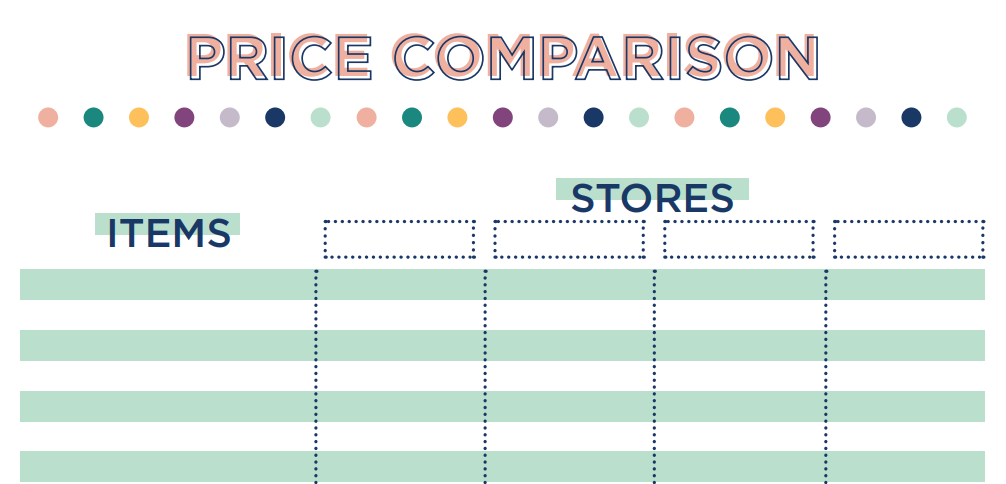
Once you have your list, encourage your child to create a table with columns to compare prices across different stores. You can find a useful free printable for a shopping list with price comparison from The Budget Mom. Finally, calculate your estimated spending and ensure it aligns with your budget, without overlooking any essential items.
To make the back-to-school budgeting activity more impactful, experts suggest going to the shops in person, focusing on simplicity, visual engagement, and factual information. Find additional guidance on teaching children about money here .
One effective approach is to let your child “treasure hunt” for their school supplies at the store. This not only enhances their understanding but also creates a memorable “aha” moment.
Once your child is comfortable with in-store shopping, you can transition to online shopping. This is often easier with preteens and teens. Explore various websites together, using your price comparison list to find the best deals.
Remember to check out great shops for school supplies like Target, Walmart, OfficeMax, Office Depot, and Staples. Don’t overlook your local grocery store’s back-to-school section, as you might discover some hidden gems there.
Smart Shopping is not Always Cheap shopping

Good budgeting activities for kids will help your child understand the difference between finding the cheapest option and investing in quality items that will last. They will learn that well-made items tend to last longer. They also need to understand the importance of taking care of their belongings to extend their lifespan.
Here are some examples of what not to skimp on:
- A durable backpack: Backpacks can last for several years. Help your child choose one that will withstand daily use. For example, Bradley On a Budget has been using the same backpack since high school in 2008.
- Lunch box and water bottle: Similar to backpacks, high-quality lunch boxes and water bottles are designed to last for years and prevent leaks and spills.
- Pens and pencils: Pens and pencils with fun designs tend to break easily and are usually impractical for writing. Teach your child to make choices that combine aesthetics and quality.
- Folders and binders: Opt for plastic folders and binders over paper ones. Plastic versions are more durable, easier to clean, and resistant to tears and water damage.
Always strive for a balance between quality, price, and aesthetics so your child will genuinely like the items they have.
Shopping for Clothes

For children who wear regular clothes to school, consider whether new items are truly necessary. Start by going with your child through their existing clothes. Then remove anything that no longer fits, is overly worn, or is no longer liked. Finally, decide together if they need new clothes. This teaches them gratitude and responsible consumerism.
Create together a list of clothing items your child will need, but remind them that they don’t have to buy everything at once. They can consider waiting for sales or exploring second-hand options for good deals.
If your child wears a uniform to school, you can reach out to your Parent-Teacher Organization (PTO) or Parent-Teacher Association (PTA). They can provide information on upcoming sales and often have a collection of gently used uniform items left by other parents.
Bonus tip:
You can also alter their old clothes and get more use out of them. Here is a video by Sew and Grow on how to alter clothes that kids have outgrown, and here is a great article by Heather Handmade on how to upcycle kids’ old clothes.
Shopping Second Hand – A Smart Choice for the Planet and Your Wallet
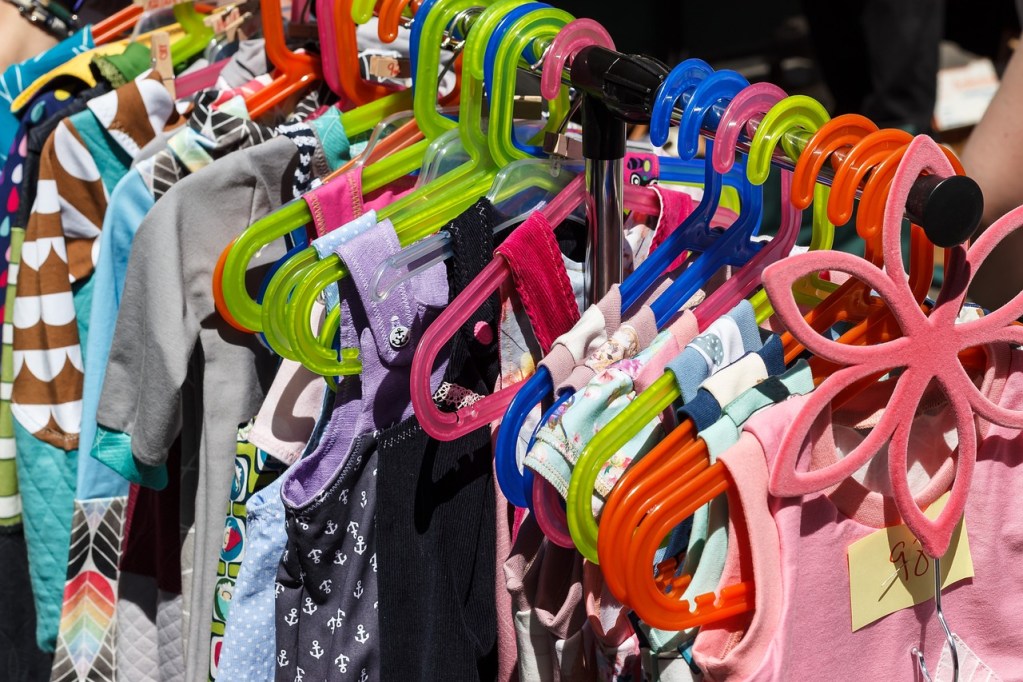
Second-hand shopping isn’t just another tip to save money — it’s also a powerful lesson in sustainability and responsible consumerism for your child.
Explain to your child that every item they see in a store requires resources like water, energy, and raw materials to be produced and transported. When items go unused, all those resources are wasted, and the items end up as pollution in landfills.
You can also introduce the idea that many people get caught in a cycle of consumerism. Teach your child that it’s okay — and even empowering — to feel content with what they already have. Buying second-hand puts the focus on an item’s usefulness and durability rather than how new it is. And you’d be surprised by the treasures you can find!
Additionally, shopping second-hand teaches kids the value of money. They’ll begin to understand how one item can cost a fraction of its original price simply because it’s pre-loved. This builds their critical thinking around spending and appreciation — helping them feel grateful for what they have and mindful when making purchases.
Splurge for Treats – But Responsibly
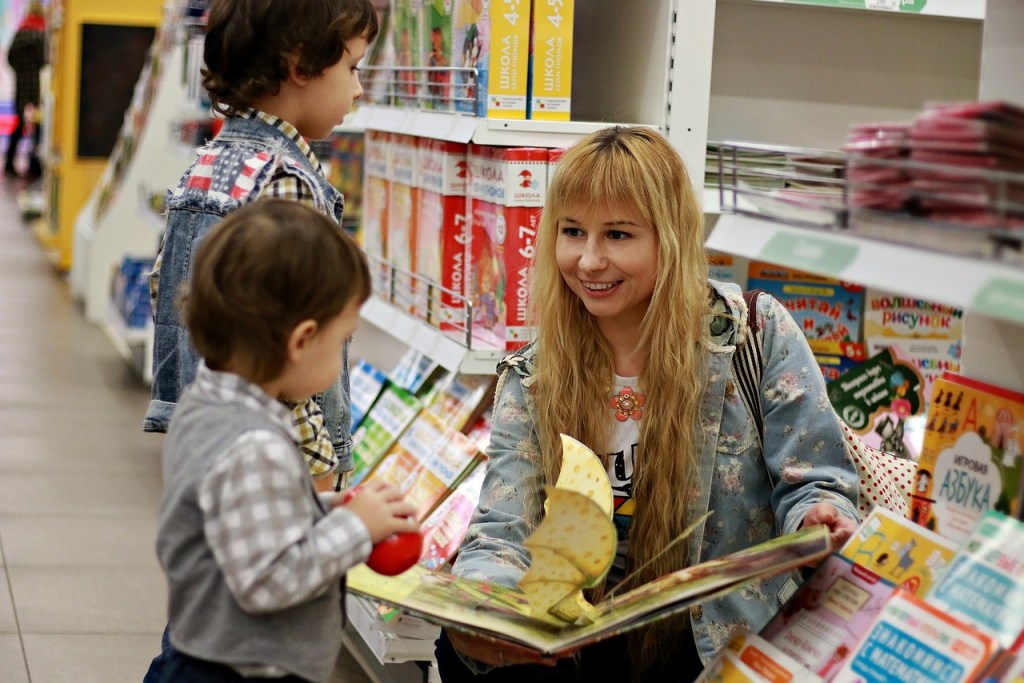
Allow for one or two inexpensive “fun items” as a treat. These items will make the children happy about going back to school, keep these budgeting activities for kids engaging, and avoid a scarcity mindset.
For every splurge, encourage your child to make a trade-off. For example, if they want to buy an expensive pencil case, they might need to remove another unnecessary item from their list — like skipping the new phone case and keeping their current one instead. If the kid wanted something that is not on their budget, you can suggest they use their allowance.
It’s also helpful to reward smart spending as part of these budgeting activities for kids. If your child manages to stay under budget, let them choose what to do with the leftover money — whether it’s treating themselves to something small or saving it for a future goal from their vision board. This builds healthy habits around budgeting, decision-making, and delayed gratification.
Spread Out Shopping – Avoid Panic Buys and Teach Financial Planning

Check if your state offers a back-to-school sales tax holiday — each one has different dates and rules. It’s a great opportunity to teach your child about taxes and how tax-free days work. It also encourages them to make thoughtful, informed purchases instead of giving in to impulse buying.
Interestingly, the best time to shop for back-to-school supplies is actually in September, when prices tend to drop. Use this as a chance to postpone non-urgent purchases and grab better deals — or plan ahead for next year.
Delaying non-essential items and waiting for discounts helps children learn financial planning, patience, and the value of delayed gratification. These are the same crucial skills you need to master a high-stakes event like Black Friday shopping.
You can even involve them in planning for the following year by shopping off-season — reinforcing these smart habits and budgeting activities for your kids year after year. Learn more about this in our guide: the best way to save money for kids.
Budgeting Activities for Kids: Final Advice

These lessons will empower your child to stretch their budget and make the most of every penny — a skill that will benefit them for life.
Budgeting activities for kids should also be age-appropriate. So, adjust your child’s level of involvement in back-to-school shopping based on their age and abilities. You don’t have to hand over the entire shopping list; instead, you can assign only a specific portion. Keep larger, more expensive decisions — like buying items in bulk, a calculator, or a computer — under your guidance. For more ideas on how to make money learning fun and timely, check out our guide on how to celebrate Financial Literacy Month.
Replicate these budgeting lessons for other occasions like this Halloween Party on a Budget.
For more tailored advice on teaching kids about money at every stage of development, check out our full guide: How to Teach Kids About Money, Age by Age.
Helping your child build budgeting skills early on sets them up for long-term success. Watching them grow more confident and independent is one of the most rewarding parts of parenting.
