

Teaching your children about leadership and entrepreneurship isn’t just about building their resume. It’s about giving them the tools to create their own opportunities and make a meaningful impact in the world. While becoming a CEO at a young age might seem like an impossible dream, the truth is that today’s business landscape has never been more welcoming to young leaders who think differently and act boldly.
As parents, we have the unique opportunity to nurture the entrepreneurial mindset our children need to succeed, whether they dream of running their own company or leading an established organization. In this comprehensive guide, we’ll explore practical strategies to help your child develop the skills, mindset, and experience necessary to learn how to become a CEO at a young age.

The Reality of Young Leadership in Today’s World
The business world is experiencing a remarkable shift toward youth leadership. At just 20 years old, Hillary Yip stands as one of the world’s youngest CEOs. She founded MinorMynas, a social learning app designed to connect children globally for language exchange and cultural learning. Stories like Hillary’s aren’t isolated incidents. They represent a growing trend of young people who refuse to wait for permission to lead.
From Advait Thakur’s AI-driven solutions to Sarah London’s transformative healthcare initiatives, these leaders are proving that age is no barrier to success. What sets these young CEOs apart isn’t just their technical skills or business acumen. It’s the foundation they built during their formative years, often with the guidance and support of forward-thinking parents.
The digital age has democratized entrepreneurship, making it possible for teenagers to start businesses from their bedrooms and scale them globally. However, understanding how to become a CEO of a company requires more than just a great idea. It demands a comprehensive skill set that savvy parents can help develop from an early age.
Building the Foundation: Essential Skills for Future CEOs
Leadership Skills That Start at Home

Leadership isn’t an innate trait reserved for a select few. It’s a skill that can be developed and refined through practice and guidance. As parents, you can create opportunities for your children to develop leadership capabilities in everyday situations.
Start by giving your child age-appropriate responsibilities within the family structure. This might mean putting them in charge of planning a family outing, managing a household budget for groceries, or leading a family project like organizing a garage sale. These experiences teach them to make decisions, coordinate with others, and take accountability for outcomes.
Encourage your child to take leadership roles in school and community activities. Whether it’s running for student council, captaining a sports team, or organizing a charity drive, these experiences provide valuable lessons in motivation, delegation, and problem-solving that directly translate to executive skills.
Financial Literacy as a Leadership Foundation

Understanding money management is crucial for anyone learning how to become a CEO at a young age. Young leaders need to grasp not just personal finance, but also business economics, investment principles, and financial planning.
Create hands-on learning experiences by involving your child in family financial discussions (age-appropriately, of course). Show them how you budget, save, and make purchasing decisions. Consider giving them their own business to manage—perhaps a lemonade stand, dog-walking service, or online business—where they can experience the full cycle of making money, spending, and saving money.
Teach them about business planning, different revenue streams, profit margins, and the importance of reinvesting in growth. These concepts might seem advanced, but children are remarkably capable of understanding complex ideas when they’re presented in relatable terms.
Communication and Emotional Intelligence
Successful CEOs are exceptional communicators who can inspire teams, negotiate deals, and build relationships with diverse stakeholders. These skills don’t develop overnight—they require consistent practice and refinement throughout childhood and adolescence.
Encourage your child to participate in activities that develop their communication skills: debate teams, theater productions, public speaking competitions, or even starting a podcast or YouTube channel about topics they’re passionate about. These experiences help them learn to articulate their ideas clearly and confidently.
Emotional intelligence is equally important. Help your child develop empathy by encouraging them to consider different perspectives, volunteer in their community, and resolve conflicts constructively. Future CEOs need to understand and manage not just their own emotions, but also inspire and motivate others.
How to Become a CEO at 18: The Educational Path

While traditional education remains important, the path to young leadership often involves thinking beyond conventional academic achievement. The question of how to become a CEO at 18 requires a strategic approach to education that combines formal learning with real-world experience.
Maximizing Traditional Education
Help your child see school as more than just a place to earn good grades. Encourage them to view each assignment and project as an opportunity to develop skills they’ll use as future leaders. Whether they’re working on a science project, writing an essay, or participating in group work, help them identify the leadership lessons embedded in each experience.
Consider advanced placement courses, dual enrollment programs, or specialized business and entrepreneurship classes if your school offers them. These programs often provide more challenging content and greater opportunities for independent thinking and project management.
Alternative Learning Opportunities
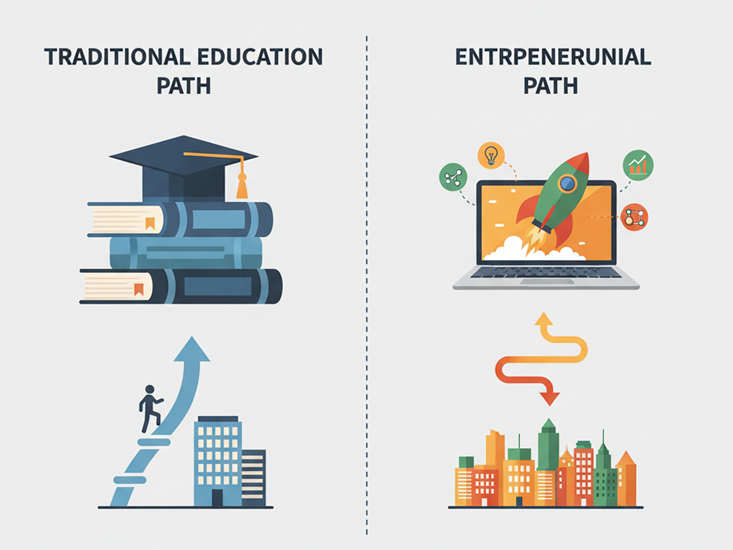
The most successful young CEOs often supplement their formal education with alternative learning experiences. Online courses, industry certifications, and self-directed learning projects can provide specialized knowledge that traditional schools might not offer.
Encourage your child to pursue internships, job shadowing opportunities, or mentorship relationships with local business leaders. These experiences provide invaluable insights into real-world business operations and help young people build professional networks early in their careers.
Consider entrepreneurship camps, business competitions, and youth leadership programs. Organizations like DECA, Future Business Leaders of America, and Junior Achievement offer structured opportunities for young people to develop business skills and compete against peers from around the world.
The Power of Practical Experience
Theory is important, but nothing replaces hands-on experience when it comes to learning how to become a CEO at a young age. Encourage your child to start small businesses or take on leadership roles in existing organizations as early as possible.
This doesn’t mean they need to launch the next tech unicorn. Simple businesses like tutoring services, social media management for local businesses, or e-commerce stores can provide valuable lessons in customer service, marketing, operations, and financial management.
Developing the Entrepreneurial Mindset

Problem-Solving and Innovation
Great CEOs are natural problem-solvers who see opportunities where others see obstacles. You can nurture this mindset by encouraging your child with kid-friendly problem-based learning examples. They will learn to approach challenges with curiosity and creativity rather than frustration and defeat.
When your child encounters problems—whether it’s a difficult homework assignment, a conflict with friends, or a broken toy—resist the urge to immediately solve it for them. Instead, ask questions that guide them toward their own solutions: “What do you think might work?” “What would happen if we tried this approach?” “How could we do this differently?”
Expose your child to diverse experiences and perspectives. Travel, cultural events, museums, and conversations with people from different backgrounds all contribute to the kind of broad thinking that successful leaders need.
Risk Assessment and Decision-Making
Learning how to become a CEO of a company involves making countless decisions, often with incomplete information and under pressure. You can help your child develop these skills by gradually increasing their decision-making responsibilities.
Start with low-stakes decisions like choosing their own clothes or planning their weekend activities. As they demonstrate good judgment, gradually increase the complexity and importance of the decisions they make independently.
Teach them to evaluate risks and rewards systematically. When they face a choice, help them list potential outcomes, consider probability and impact, and make informed decisions based on available information.
Resilience and Adaptability
The path to young leadership is rarely smooth. Successful CEOs learn to view failures as learning opportunities and adapt quickly to changing circumstances. This abundance mindset around setbacks—rather than a scarcity mindset that fears failure—is crucial for young leaders. You can help your child develop resilience by creating a safe environment where mistakes are treated as valuable learning experiences rather than sources of shame or disappointment.
When your child experiences setbacks—a failed test, a business idea that doesn’t work, or a leadership role that doesn’t go as planned—help them analyze what happened, what they learned, and how they can apply those lessons moving forward.
Building Networks and Relationships

The Importance of Mentorship
Every successful young CEO has benefited from the guidance of experienced mentors who provided advice, opened doors, and helped them avoid common pitfalls. As a parent, you can help your child identify and build relationships with potential mentors in their areas of interest.
Look for opportunities to connect your child with successful professionals through family connections, community organizations, or formal mentorship programs. Encourage them to prepare thoughtful questions and demonstrate genuine interest in learning from others’ experiences.
Teach your child to be a good mentee by showing up prepared, following through on commitments, and expressing gratitude for the time and wisdom shared with them.
Professional Network Development
While your child might be years away from needing a professional network for job searching, the relationships they build now can provide valuable opportunities, insights, and support throughout their journey toward leadership.
Encourage participation in youth business organizations, industry conferences, and networking events designed for young entrepreneurs. Social media platforms like LinkedIn can also provide opportunities to connect with like-minded peers and industry professionals.
Teach your child the importance of giving back to their network. Successful networking isn’t just about what others can do for you. It’s about building mutually beneficial relationships where everyone contributes value.
Practical Steps: How to Become a CEO at a Young Age
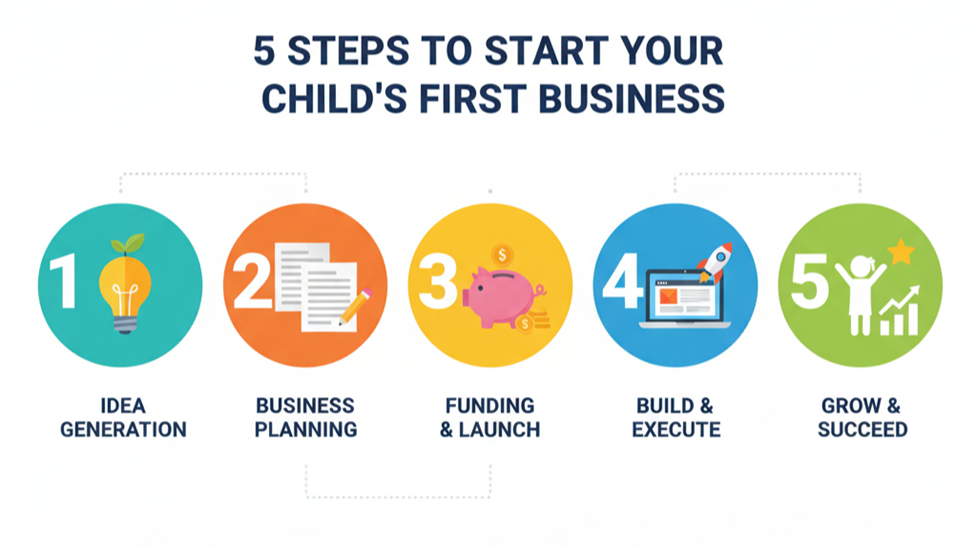
Start with Small Leadership Opportunities
The journey to becoming a young CEO begins with small steps and gradually increasing responsibilities. Help your child identify leadership opportunities in their current environment and encourage them to take on challenging roles.
This might mean running for class president, organizing a school fundraiser, starting a club around their interests, or volunteering to lead projects in community organizations. Each experience builds confidence and provides practical lessons in leadership and management.
Develop Industry Expertise
Encourage your child to develop deep knowledge in areas that interest them. Whether they’re passionate about technology, healthcare, environmental issues, or social justice, becoming an expert in their chosen field will give them credibility and unique insights that can translate into business opportunities.
This expertise can be developed through reading industry publications, attending conferences, participating in online forums, and connecting with professionals in their field of interest. The goal is to understand not just what’s happening in their industry, but why it’s happening and what might happen next.
Create Value Early and Often
Young CEOs distinguish themselves by creating value for others from an early age. This might mean developing apps that solve problems for their peers, creating content that educates and entertains others, or starting businesses that address unmet needs in their community.
Encourage your child to think about how they can use their skills to make a positive impact on others. The businesses and projects that create the most value are often those that grow into significant opportunities.
Learning from Young CEO Success Stories

Real-World Examples and Lessons
These individuals range in age from 11 to 25 and are involved in industries such as technology, health care, and education, among others. Many have achieved significant milestones, such as securing funding, developing apps, and addressing societal issues while still pursuing their education.
This demonstrate that learning how to become a CEO at a young age isn’t about following a single prescribed path. It’s about combining passion, skills, and opportunity in unique ways.
Study the stories of young leaders who inspire your child. What challenges did they overcome? Which skill set did they develop? What support systems helped them succeed? Use these stories as conversation starters and learning opportunities that help your child visualize their own potential path to leadership.
Common Traits and Strategies
While each young CEO’s journey is unique, successful young leaders often share certain characteristics:
- They start early
- They’re willing to fail and learn from mistakes
- They build strong support networks
- They focus on creating value for others rather than just pursuing personal gain.
They also tend to be voracious learners who aren’t afraid to ask questions, seek mentorship, and continuously develop new skills. They understand that leadership is about serving others and making a positive impact, not just achieving personal success.
The Role of Parents in Nurturing Young Leaders

Creating a Supportive Environment
Your role as a parent in helping your child learn how to become a CEO at a young age extends far beyond providing financial resources or making connections. The most important thing you can do is create an environment that encourages risk-taking, celebrates learning from failure, and supports your child’s authentic interests and passions.
This means being willing to let your child pursue unconventional paths, even when they don’t align with traditional expectations for academic or career success. It means providing emotional support during challenging times and celebrating both small wins and significant achievements.
Balancing Support with Independence
One of the biggest challenges for parents of aspiring young leaders is finding the right balance between providing support and encouraging independence. Your child needs to develop the confidence and skills to make their own decisions and solve their own problems, but they also need to know you’re there to provide guidance and support when needed.
Gradually increasing their independence and decision-making authority while maintaining open communication about their experiences and challenges is crucial. The goal is to be their biggest supporter and advisor without becoming their manager or doing the work for them.
Financial Education and Support
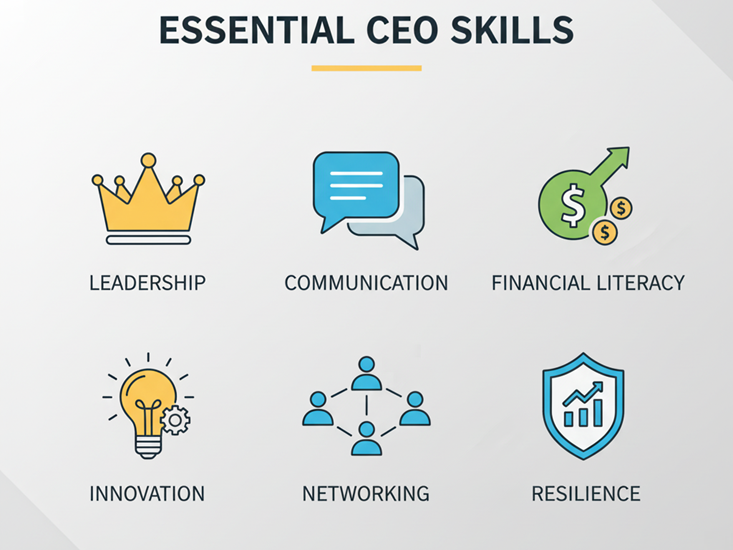
Teaching practical financial skills is essential for any young person who wants to become a business leader. This includes personal finance skills like budgeting, saving, and investing, as well as business finance concepts like opportunity cost, profit and loss, cash flow, and return on investment.
Consider providing your child with capital to start their own business, but structure it as a learning experience with clear expectations for how the money will be used and repaid. This teaches them to be responsible stewards of resources and understand the weight of financial decisions.
Overcoming Challenges and Obstacles – Key Skills to Become a CEO at a Young Age
Age-Related Barriers
One of the biggest challenges young aspiring CEOs face is being taken seriously by adult business partners, investors, and customers. Help your child develop strategies for overcoming age-related skepticism by focusing on demonstrating competence, professionalism, and results rather than trying to appear older than they are.
This might mean over-preparing for meetings, bringing data to support their proposals, and surrounding themselves with credible advisors who can vouch for their capabilities. It also means choosing initial projects and partnerships where their age might be seen as an asset rather than a liability.
Educational and Social Pressures

Young entrepreneurs often face pressure from peers, teachers, and family members who don’t understand or support their business aspirations. Help your child develop strategies for managing these pressures while staying true to their goals.
This might involve finding like-minded peers through entrepreneurship programs, maintaining good academic performance to satisfy traditional expectations, and clearly communicating their goals and progress to skeptical family members and educators.
Resource Limitations
Young people typically have limited financial resources, professional networks, and business experience. Help your child see these limitations as opportunities to be creative and resourceful rather than insurmountable obstacles.
Many successful young entrepreneurs have turned resource constraints into competitive advantages by finding innovative solutions, building partnerships, and focusing on high-impact, low-cost strategies. Teach your child to view limitations as creative challenges rather than reasons to give up.
Preparing for the Long-Term Journey

How to Become a CEO at a Young Age by Setting Realistic Expectations
While it’s important to dream big and aim high, it’s equally important to set realistic expectations about the time and effort required to become a successful young CEO. Most overnight success stories actually represent years of hard work, learning, and gradual progress.
Help your child understand that becoming a CEO at a young age is a marathon, not a sprint. There will be setbacks, failures, and periods of slow progress, and that’s completely normal. The key is maintaining long-term vision while staying focused on continuous improvement and learning.
Building Sustainable Habits
The habits your child develops now will largely determine their future success. Focus on helping them develop sustainable practices around goal-setting, time management, continuous learning, and self-care.
This includes physical health habits like regular exercise and good nutrition, mental health practices like stress management and work-life balance, and professional development habits like regular reading, skill-building, and relationship maintenance.
Planning for Different Scenarios
While your child might dream of becoming a CEO, it’s important to prepare them for multiple potential paths to success. The skills they develop while learning how to become a CEO at a young age—leadership, communication, financial literacy, and entrepreneurial thinking—will serve them well regardless of their ultimate career path.
Help them understand that success can take many forms, and the goal is to develop the capabilities and mindset that will allow them to create opportunities and make a positive impact in whatever field they ultimately choose.
Conclusion: Empowering the Next Generation of Leaders

Learning how to become a CEO at a young age isn’t just about starting companies or climbing corporate ladders—it’s about developing the skills, mindset, and confidence to create positive change in the world. As parents, we have the privilege and responsibility of nurturing these capabilities in our children from an early age.
The business world needs young leaders who think differently, challenge conventional wisdom, and bring fresh perspectives to complex problems. By providing our children with the education, experience, and support they need to develop leadership capabilities, we’re not just helping them achieve their personal goals—we’re contributing to a future where innovative, compassionate leaders drive positive change across industries and communities.
Remember that every child’s journey will be unique, and there’s no single formula for success. The most important things you can do are to support your child’s authentic interests, provide opportunities for growth and learning, and maintain faith in their potential even when the path seems uncertain.
The question isn’t whether your child can become a successful leader—it’s how you’ll help them develop the capabilities they need to make their unique contribution to the world. Start today by having conversations about leadership, creating opportunities for growth, and showing them that age is never a barrier to making a meaningful impact.
Whether your child ultimately becomes a CEO at 18, 25, or 45, the leadership skills they develop now will serve them throughout their lives and enable them to create opportunities, solve problems, and inspire others regardless of their chosen path. The future belongs to young leaders who are prepared to think boldly and act with purpose—and as parents, we have the power to help them get there.
Key Takeaways for Parents on How to Become a CEO at a Young Age
- Start developing leadership skills early through family responsibilities and community involvement
- Focus on financial literacy as a fundamental building block for business success
- Create opportunities for real-world experience through internships, mentorships, and small businesses
- Support your child’s authentic interests while encouraging broad skill development
- Teach resilience and problem-solving through guided but independent decision-making
- Help build networks and relationships that will support long-term growth
- Maintain realistic expectations while supporting ambitious goals
- Remember that the journey to leadership is as important as the destination
The path to becoming a young CEO begins with a single step, and that step starts at home with parents who believe in their children’s potential and are willing to provide the support, guidance, and opportunities they need to succeed.
